Hot Chocolate for Christmas: A Designer's Review
There is a specific kind of warmth that only a well-executed holiday design can bring to a textile project. As someone who spends hours staring at screens analyzing stitch paths and density maps, I approach every new machine embroidery design with a critical eye. It is not just about whether the image looks cute in a thumbnail; it is about how that image translates into thread, how it sits on fabric, and whether it holds up under the scrutiny of a paying customer. Recently, I have been evaluating the Hot Chocolate for Christmas illustration for potential inclusion in my winter collection, and the results offer some valuable insights for fellow designers and makers.
The Visual Mood and First Impressions
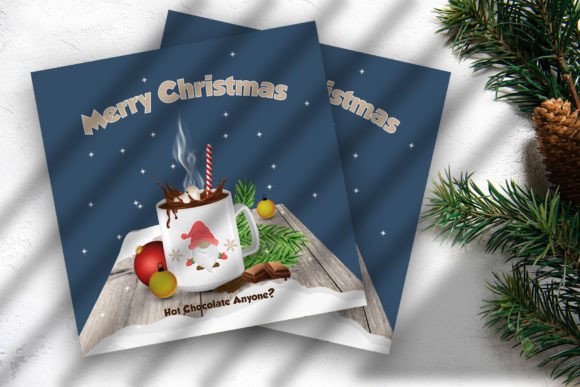
When you first pull up the Hot Chocolate for Christmas file, the immediate sensation is one of cozy nostalgia. In the world of Illustrations, capturing the essence of a season without becoming cliché is a delicate balance. This design manages to evoke the feeling of a quiet evening by the fire through its composition. The layout suggests a classic mug, likely topped with marshmallows or whipped cream, rendered in a style that bridges the gap between whimsical and refined.
For an embroidery project, the visual personality is crucial. Does it look like a stamped graphic, or does it feel like it was made for the needle? From a reviewer's standpoint, this design appears to lean heavily on clean lines and distinct shapes, which is excellent for stitching. Complex gradients in digital art often translate poorly into thread, resulting in muddy color transitions. However, the structure here seems to rely on defined areas that would work beautifully with a combination of satin stitch for outlines and textural elements, and fill stitch for the body of the mug and the steam. This approach ensures that the final product retains clarity even from a distance.
Real-World Application: The Holiday Tote Scenario
To truly understand the value of a design asset, I mentally place it into a real-life production scenario. Imagine a small shop owner preparing for a December craft fair. They need a handmade product that sells quickly but also showcases quality. Let's say they are producing a run of canvas tote bag design options for local coffee shops or as standalone gifts.
Using Hot Chocolate for Christmas on a natural or cream-colored canvas tote creates an instant focal point. The theme fits perfectly with the utility of the bag. Customers walking into a boutique are drawn to items that feel seasonal yet usable year-round. If the stitch density is managed correctly, the mug motif adds a tactile element that elevates the perceived value of the bag. It stops being just a grocery carrier and becomes a personalized gift or a statement piece. For an Etsy seller, this kind of versatility is gold. You aren't just selling a stitched image; you are selling the feeling of the holidays wrapped in a functional item.
Beyond totes, consider sweatshirt embroidery. A oversized crewneck in heather grey or deep navy provides the perfect backdrop. The design's illustrative nature means it doesn't need to be massive to be recognizable. A placement on the left chest or a larger center chest print could work, depending on the complexity of the details. For baby embroidery, perhaps on a onesie or a burp cloth, the soft subject matter is inherently appealing to parents looking for festive photoshoot outfits.
Technical Considerations and Fabric Challenges
While the aesthetic appeal is strong, a professional designer must address the technical realities of stitching Hot Chocolate for Christmas. Not all fabrics play nice with all designs. If you are working with textured fabrics like waffle knit or heavy terrycloth, you need to be wary of how the stitch density interacts with the pile. High-density fills can sink into thick towels, losing definition. In these cases, testing on scrap fabric is non-negotiable.
Furthermore, consider the hoop size requirements. If the design includes intricate detailing around the rim of the mug or tiny text elements, cramming it into a small hoop might compromise the registration. Always check the specific dimensions provided with the digital embroidery file before committing to a project. For curved surfaces like caps or hats, the layout needs to be analyzed for distortion. A wide, horizontal illustration might warp awkwardly over the front panel of a baseball cap unless it is digitized specifically for that application.
Dark fabric presents another variable. If the design relies on light thread colors against a black hoodie, you must ensure there is adequate underlay or a backing layer to prevent the garment color from peeking through and dulling the vibrancy of the cocoa and marshmallow tones. Using a white stabilizer or topping can make a significant difference in the final pop of the colors.
Critical Areas for Attention
- Small Details: Inspect tiny lettering or fine steam lines. These areas are prone to breaking or bird-nesting if the digitizing isn't precise.
- Stretchy Fabric: When applying this to leggings or thin t-shirts, the pull of the thread can distort the shape of the mug. A cut-away stabilizer is often safer than tear-away for these materials.
- Washability: Products like kitchen towels or aprons undergo frequent washing. Ensure the thread colors are colorfast and the stitch count is robust enough to withstand agitation without fraying.
- Contrast: Test the design in a black-and-white mockup first. If the values blend together without color, the design lacks the necessary contrast to read clearly when stitched.
Impact on Brand and Customer Trust
In the competitive landscape of commercial embroidery, consistency is key. Using a high-quality illustration like Hot Chocolate for Christmas contributes to a cohesive brand identity. When a customer receives a product where the stitching is crisp, the colors are vibrant, and the design feels intentional, it builds trust. They are more likely to return for future purchases or recommend the small shop product to friends.
Conversely, a design that looks pixelated when enlarged or stitches out poorly can damage a reputation instantly. This is why reviewing the embroidery file thoroughly is part of the job. Does the design enhance the finished product? Does it look professional in printable mockup previews used for online listings? The answer with this particular illustration appears to be yes, provided the maker respects the limitations of their machine and materials.
Final Verdict for Makers and Designers
Ultimately, Hot Chocolate for Christmas stands out as a versatile asset for the holiday season. It bridges the gap between a simple icon and a detailed scene, making it suitable for everything from embroidered patch creation to full-back jacket designs. However, success lies in the execution. Do not assume the file is ready to go straight from download to production without a test run.
Before listing items on your store or gifting them to clients, verify the license terms. Can you use this for commercial embroidery projects, or is it for personal use only? Check the included formats to ensure compatibility with your specific machine brand. Review the thread color list and see if substitutions are needed to match your inventory.
For the creative entrepreneur, this design offers a solid foundation for a winter collection. It invites customization—perhaps adding a name below the mug or pairing it with other seasonal elements. By treating the design with the respect it deserves and applying sound technical judgment, you can turn a digital illustration into a tangible piece of holiday cheer that customers will cherish. Whether you are decorating a nursery, outfitting a staff, or stocking an Etsy shop, this design has the potential to perform exceptionally well when handled with care.