Christmas Trees in the Mountains: A Designer's Review
As a designer who spends more time staring at stitch maps than actual landscapes, I approach every new machine embroidery design with a mix of excitement and skepticism. We have all been burned by beautiful digital previews that turn into thread nests on the hoop. So, when I pulled up the files for Christmas Trees in the Mountains, I wasn't just looking at a pretty picture; I was looking for structural integrity, stitch logic, and commercial viability. This isn't just another holiday graphic; it is a specific Illustrations style piece that demands careful handling to translate from screen to fabric successfully.
First Impressions and Visual Personality
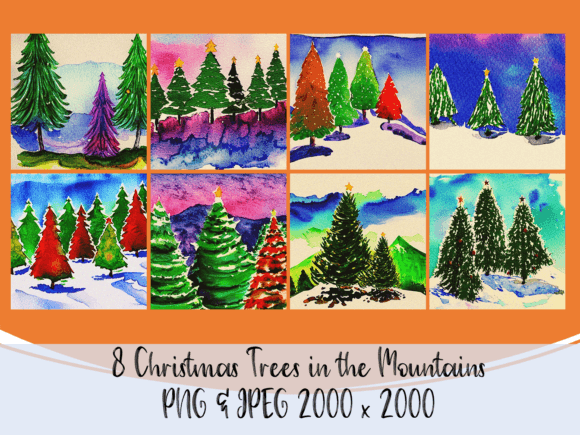
The initial mood of Christmas Trees in the Mountains is serene and nostalgic. It captures that quiet, crisp feeling of a winter evening without relying on cliché, overly bright color palettes. The layout features layered silhouettes of evergreens against a mountainous backdrop, creating a sense of depth that is often hard to achieve in embroidery. Visually, it feels like a modern take on traditional folk art. The shapes are organic but defined, suggesting a balance between fill stitch areas for the trees and potentially finer running stitch details for the mountain ridges or snow caps.
For an Etsy seller or boutique owner, this visual personality is gold. It moves away from the chaotic, cartoonish holiday designs that flood the market in December and offers something sophisticated enough for year-round cabin decor or high-end winter apparel. The design doesn't scream "holiday"; it whispers "cozy," which expands its shelf life significantly beyond the Christmas season.
Real-World Application: The Custom Tote Scenario
To truly test the worth of this embroidery file, I imagined a specific real-life project: a custom embroidered canvas tote bag for a local coffee shop's winter merchandise line. The goal was to create a handmade product that felt premium yet rustic. Christmas Trees in the Mountains fits this brief perfectly. On a natural beige or heavy cotton canvas, the contrast of deep green and cool grey threads would pop beautifully.
In this scenario, the design acts as a centerpiece. Unlike a small logo tucked in the corner, this illustration commands attention. Customers walking into the shop would likely react to the craftsmanship. It signals that the shop cares about aesthetics, not just slapping a logo on a bag. For a craft business, this kind of perceived value allows you to charge a higher price point. It transforms a simple tote into a personalized gift or a collectible item. The detailed layering of the trees suggests a complexity that buyers associate with quality, increasing buyer engagement and trust in your brand.
Navigating Fabric and Hoop Challenges
However, beauty in a digital preview does not guarantee success on the machine. There are specific areas where Christmas Trees in the Mountains requires caution. Because this is an illustrative piece with likely overlapping elements, stitch density is a critical factor. If you are stitching this on a stretchy fabric like a jersey knit sweatshirt, you must be vigilant. High-density fill stitches can cause the fabric to pucker or distort, ruining the clean lines of the mountain peaks.
I strongly advise using a high-quality cut-away stabilizer for this project, especially if you are attempting sweatshirt embroidery or working with textured fabrics like wool blends. A tear-away might not provide enough support for the intricate layers of trees. Furthermore, if you plan to use this on a curved surface like a cap, you need to verify the hoop size compatibility. The width of the mountain range might be too wide for a standard cap frame, requiring you to scale the design down. Be careful when scaling; reducing the size too much could merge the fine details of the tree branches into a solid blob, losing the illustrative charm.
Dark fabrics present another challenge. If you are stitching this on a navy or black garment, ensure the thread colors selected for the snow highlights have enough brightness to stand out. You might need to manually adjust the thread chart in your software to increase contrast before hitting start. Always run a test on scrap fabric of the same weight and texture as your final material. This is non-negotiable for professional results.
Commercial Viability and Product Range
Beyond tote bags, where else does this design shine? It is exceptionally well-suited for kitchen towel sets, where the linear nature of the mountains complements the rectangular shape of the linen. It would also make a stunning embroidered patch if digitized with a merrowed edge, perfect for selling as a standalone design asset or attaching to denim jackets. For those in the nursery decor niche, a softened version of this design on a baby blanket creates a calming, nature-inspired theme that appeals to modern parents looking for gender-neutral baby embroidery options.
For commercial embroidery projects, consistency is key. This design appears robust enough to handle repeated stitching runs, provided your tension is dialed in. It adds a layer of professionalism to any small shop product line. Whether you are creating holiday gifts for corporate clients or stocking your own online store, the versatility of this illustration allows for a cohesive brand look across different items, from aprons to pillow covers.
Final Designer Notes and Best Practices
Before you commit to a full production run of Christmas Trees in the Mountains, keep these practical steps in mind. First, check the licensing terms explicitly. Just because you purchased the file does not automatically grant you the right to sell unlimited finished goods or redistribute the digital embroidery file. Confirm whether the license covers commercial use for physical products.
- Test Stitch Out: Always stitch a sample on scrap fabric first to check for pull compensation and registration issues between color stops.
- Contrast Check: View your design in black and white on your computer screen. If the mountains and trees blend together without color, you may need to adjust the stitch types or densities to create separation.
- Fabric Selection: Avoid very thin or sheer fabrics unless you are experienced with backing techniques, as the weight of the illustration could drag the material.
- Mockups: Create printable mockups showing the design on various backgrounds to help customers visualize the finished product before they buy.
In conclusion, Christmas Trees in the Mountains is a strong contender for designers looking to elevate their winter collections. It offers a blend of artistic flair and practical application, provided you respect the technical requirements of the stitch-out. With the right fabric, stabilizer, and attention to detail, this design can become a staple in your portfolio, driving sales and delighting customers who appreciate the warmth of handmade quality.