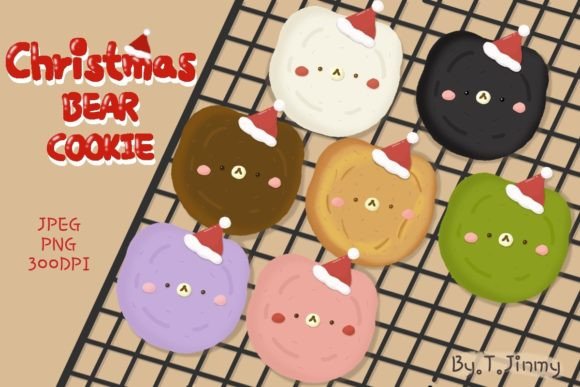
Christmas Bear Cookie: A Designer's Review for Holiday Stitching
As we approach the peak season for holiday orders, every stitch counts. When I first opened the Christmas Bear Cookie file on my screen, I wasn't just looking at a cute graphic; I was evaluating a potential revenue stream for my small shop. In the world of Illustrations adapted for thread, the difference between a design that sells and one that gathers digital dust often comes down to practical execution. This review breaks down how this specific design performs when moved from a pixelated preview to a tangible, stitched reality.
First Impressions and Visual Personality
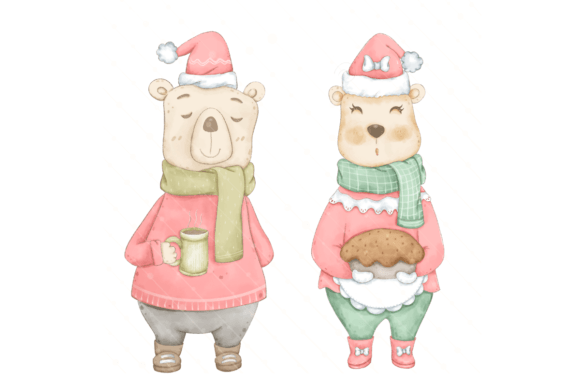
The initial mood of the Christmas Bear Cookie is undeniably cozy. It captures that specific niche of "hygge" holiday aesthetics that customers are currently craving. The shape is compact and rounded, which immediately suggests versatility. Unlike sprawling scenes that require large hoops and excessive run times, this design feels contained and purposeful. The visual personality leans towards whimsical yet classic, avoiding overly trendy elements that might date the product by next December.
From a layout perspective, the balance between the bear character and the cookie motif feels intentional. There is a clear focal point, which is crucial for maintaining viewer engagement on smaller items. For an embroidery project intended for quick turnaround during the holidays, the complexity level appears manageable. It offers enough detail to look professional without risking a thread-breaking nightmare on standard home machines or even high-speed commercial heads.
Real-World Application Scenarios
To truly understand the value of a machine embroidery design, you have to imagine it on actual products. I immediately pictured the Christmas Bear Cookie centered on a cream-colored linen tote bag design. The contrast would be sharp, and the theme fits perfectly for a reusable gift bag or a shopper's market tote. Another strong contender is sweatshirt embroidery. Placed on the left chest or as a larger back print on a crewneck, this design adds a touch of festivity without overwhelming the garment.
For those running an Etsy seller operation or a boutique brand, this asset shines in the realm of baby embroidery. A onesie or a bib featuring this bear becomes an instant heirloom-quality personalized gift. The scale seems appropriate for infant wear, where oversized designs can look clumsy. Furthermore, if you are into making embroidered patch inventories, this illustration has the self-contained borders necessary for clean merrowed edges or laser-cut finishes.
I also considered its use on home goods. A set of kitchen tea towels or a pillow cover in a cabin-style living room would benefit from the warm, edible theme of the design. It bridges the gap between food and decor, a popular intersection in modern crafting. Whether used for holiday embroidery gifts or commercial embroidery runs for local cafes, the adaptability is high.
Navigating Fabric and Hoop Challenges
While the design is promising, a responsible designer must anticipate where it might struggle. If you are working with textured fabrics like heavy wool blankets or waffle-weave towels, the finer details of the bear's facial features could get lost. In these cases, adjusting the stitch density or opting for a slightly larger hoop size might be necessary to ensure clarity.
Stretchy fabrics present another consideration. If applying this to a thin cotton t-shirt or a stretchy knit cap, the stability of the stabilizer is non-negotiable. Without proper backing, the satin stitches outlining the cookie could pucker, distorting the bear's expression. Curved surfaces, such as baseball caps, require careful hooping. The round nature of the cookie helps here, but you must ensure the design is centered correctly to avoid wrapping awkwardly around the crown's curve.
Dark fabric backgrounds require a strategic approach to thread colors. While the design likely includes light tones for the cookie dough, you may need to manually adjust the underlay or add a backing layer if the original file doesn't account for high-contrast scenarios. Always test the design in black and white mockups first to check for value contrast before committing to a full production run.
Impact on Brand and Customer Perception
In the competitive landscape of handmade goods, the quality of your design assets directly influences customer trust. A clean, well-digitized file like Christmas Bear Cookie elevates the perceived value of the finished product. Customers associate crisp stitching and coherent imagery with professionalism. If you are selling custom apparel or small shop product lines, consistency is key. This design fits well within a broader collection of holiday-themed items, helping to build a cohesive brand identity.
Moreover, the "giftability" factor is high. Items featuring this design feel thoughtful and curated, rather than mass-produced. This emotional connection drives buyer engagement and can lead to repeat customers who return year after year for your seasonal releases. For digital product sellers, offering this as part of a bundle could increase the average order value, provided the licensing terms allow for such distribution.
Essential Designer Notes for Execution
Before launching into production, there are several practical steps every maker should take. First, always test the design on scrap fabric that matches your final material. This reveals issues with pull compensation or thread breaks that aren't visible on a screen. Check the thread color contrast specifically; sometimes the default palette needs tweaking to match your specific brand colors or fabric choices.
Review the stitch density carefully. If the design feels too stiff after stitching, it may not drape well on clothing. Confirm the hoop size requirements against your machine's capabilities, especially if you are using older models with limited field sizes. Inspect small details like the eyes or crumbs on the cookie; these tiny elements often determine whether a design looks charming or messy.
Finally, verify the licensing terms. Just because a file is purchased does not automatically grant rights for unlimited commercial embroidery sales. Ensure you are compliant regarding the number of physical items you can sell. If you plan to create printable mockup images for marketing, confirm that the license covers digital representation as well.
The Christmas Bear Cookie stands out as a versatile, mood-setting addition to any holiday catalog. With careful attention to fabric choice and stabilization, it has the potential to become a bestseller for crafters and businesses alike. By treating the embroidery file with the respect it deserves through testing and refinement, you ensure that the final result is not just a stitched image, but a cherished piece of art.