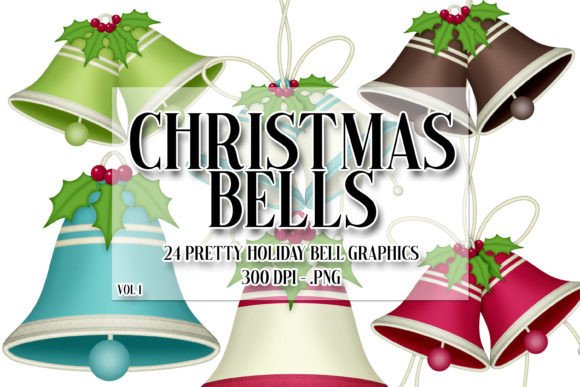
Review: Christmas Holiday Bell Graphics for Stitching
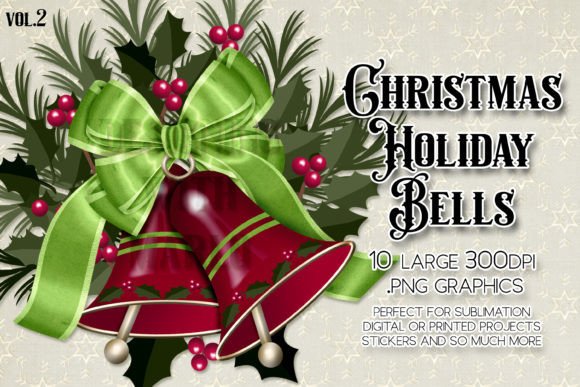
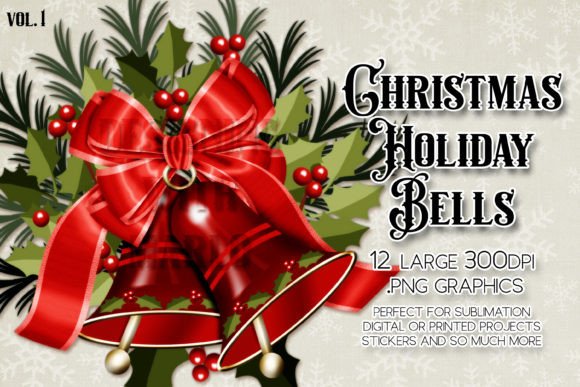
When I first pulled up the Christmas Holiday Bell Graphics on my screen, my immediate reaction wasn't just about the festive theme; it was about the structural integrity of the lines. As a designer who has spent years translating digital art into thread, I know that a pretty picture doesn't always equal a successful machine embroidery design. This specific set of illustrations caught my eye because of its clean silhouette and classic holiday vibe, but the real test is always how it behaves under the needle. I'm looking at this not just as a consumer, but as someone who needs to deliver a flawless finished product to a client or stock a small shop with high-quality goods.
First Impressions and Visual Personality
The mood of these graphics is undeniably nostalgic yet crisp. Unlike some overly complex holiday vectors that rely on tiny gradients which simply cannot be replicated with thread, these bells have a bold, graphic quality. The layout feels balanced, suggesting that the original artist understood the limitations of embroidery even while creating an illustration. For an Etsy seller or a boutique owner, this visual personality is gold. It reads clearly from a distance, which is crucial for items like tote bags or sweatshirts where the design needs to pop against a busy background or textured fabric.
What stands out most is the potential for versatility. These aren't just "cute" bells; they have a professional weight to them. Whether you are aiming for a traditional red and gold palette or something more modern like slate blue and silver, the shapes hold up well. This makes them excellent design assets for a wide range of holiday embroidery projects. However, before committing to a full production run, I always advise checking the digitization quality specifically for stitch types. Are the curves handled with smooth satin stitch columns, or are they relying on heavy fill stitch that might pucker? A quick zoom-in usually tells the story.
Real-World Application: The Custom Tote Scenario
Let's walk through a realistic scenario. Imagine a customer orders a set of matching family tote bags for a Christmas gift exchange. They want something elegant but durable. I would immediately consider using the Christmas Holiday Bell Graphics for this embroidery project. Tote bags often use canvas or heavy cotton, which provides a stable base for stitching. The graphic nature of these bells would look fantastic centered on the front panel.
In this context, the design's clarity becomes a major selling point. A handmade product needs to look intentional, not messy. If the bells feature fine details, I'd recommend simplifying the color palette to three or four thread colors max to maintain that crisp look. Too many color changes can clutter the design and increase production time, which eats into margins for a craft business. By keeping it simple, the custom apparel or accessory feels premium. Customers trust brands that pay attention to these details, and a clean stitch-out builds that trust instantly.
Navigating Fabric Challenges and Hoop Constraints
While these graphics are promising, every designer knows that fabric choice can make or break a job. If you are planning to use these on stretchy materials like a thin jersey t-shirt or a fitted cap, caution is required. The density of the stitch pattern matters immensely here. If the Christmas Holiday Bell Graphics have dense areas, they might cause the fabric to pucker or the design to warp, especially on curved surfaces like a baseball cap.
For sweatshirt embroidery, the fleece backing usually hides minor imperfections, but for something like a silky pillow cover or a lightweight kitchen towel, you need to be strategic. I always recommend testing the design on scrap fabric first. Check how the running stitch outlines behave on different textures. Does the thread sink into the pile of a towel, making the bells look fuzzy? If so, you might need a heavier cut-away stabilizer or even a topping to keep the stitches floating above the texture.
Another critical factor is the hoop size. Depending on the specific file version you purchase, ensure the design fits your machine's maximum hoop without needing to be resized too small. Shrinking a detailed graphic too much can cause the stitches to merge, turning distinct bell shapes into a solid blob. Always verify the minimum recommended size before promising a personalized gift like a baby onesie, where space is limited.
Commercial Viability and Brand Consistency
For those running a small shop product line or selling digital embroidery files, consistency is key. The Christmas Holiday Bell Graphics offer a strong foundation for brand recognition. If you use these across a collection—say, on aprons, tea towels, and guest napkins—the consistent visual style helps customers identify your work. It elevates the perceived value of the item. A well-executed embroidered bell on a high-quality linen napkin feels like a luxury item, whereas a poorly digitized version looks like a craft fair afterthought.
When creating printable mockups for your online store, these graphics translate well because of their defined edges. They look great in photos, which drives buyer engagement. However, remember that what looks good on a screen might behave differently in thread. Always compare light and dark fabric backgrounds. A design that pops on white might get lost on navy blue if the thread contrast isn't adjusted. This attention to detail separates the hobbyists from the professionals.
Practical Notes for the Working Designer
Before you start stitching for clients or listing items for sale, here is a checklist to ensure success with these graphics:
- Test First: Never skip the sample stitch-out on the actual fabric you intend to use.
- Check Licensing: Confirm whether the license allows for commercial use of the finished product or if there are restrictions on selling the embroidery file itself.
- Stabilizer Selection: Match your stabilizer to the fabric weight; don't guess.
- Thread Contrast: Experiment with metallic threads for the bells to add a festive shine, but test for breakage.
- Density Review: If the design feels too stiff after stitching, consider editing the fill density in your software if you have the skills.
- File Formats: Ensure you have the correct format for your specific machine brand to avoid conversion errors.
Ultimately, the Christmas Holiday Bell Graphics represent a solid choice for the upcoming season. They bridge the gap between artistic illustration and practical embroidery. With the right preparation, attention to fabric mechanics, and a keen eye for detail, these designs can become the centerpiece of a profitable and beautiful holiday collection. Whether you are decorating a home or building a brand, let the quality of your stitch do the talking.